
170. Song No. 2,569: “Disgrace,” Jets to Brazil
Perfecting Loneliness, 2002
So. It takes a while to get from listening to these songs for the first time on my iPod to putting them on the Spotify playlist and listening to them there (and sometimes also going back to my iPod and playing them again if I really liked a stretch of songs, or also if I felt like I missed hearing a whole bunch), and then finally writing about them. Sometimes detours happen and I wind up rediscovering a song, album, artist, season or era, but the delay most often comes from the writing part, because some of us would never meet deadlines if our jobs didn’t depend on it. (Does this mean I chose my career because some part of me knew professionally enforced deadlines would be the only way I’d ever manage to call myself a working writer? Dunno, but I’m sure as hell gonna obsess over that for a few days.) (For reference, I’m listening to the Dr- songs on my iPod right now, and am somewhere in the Don’t songs on Spotify.)
Point is, this song first sauntered back into my conscience earballs after the announcement heralding full withdrawal of a U.S. ground troop presence from Afghanistan’s graveyard of empires, which was one righteous collision of mindfucks. This album came out maybe a year after Sept. 11, right when anyone left of center was becoming vocal in their political outrage as the dividing lines between Republicans and Democrats were drawn with increasing hostility and suspicion, and I was making the transition from high school to college.
Remaining right between NYC and D.C. was an odd mental and geographic place in that long-lasting aftermath, with the losses to the north and south hitting literally too close to home; the added resonance of my now-estranged father working in D.C. every Tuesday and one of the pilots hailing from my hometown made for a particularly intense emotional experience. While the extent of my personal terror was contained to maybe an hour or two before I finally got ahold of a landline, it was enough to rattle me as I got one hell of an introduction to the long, brutalizing journey of realizing what kind of world I’d be inheriting, both domestically and abroad. As far as timing goes, it’s hard to think of adolescence ceding to adulthood in a more violently perfect storm.
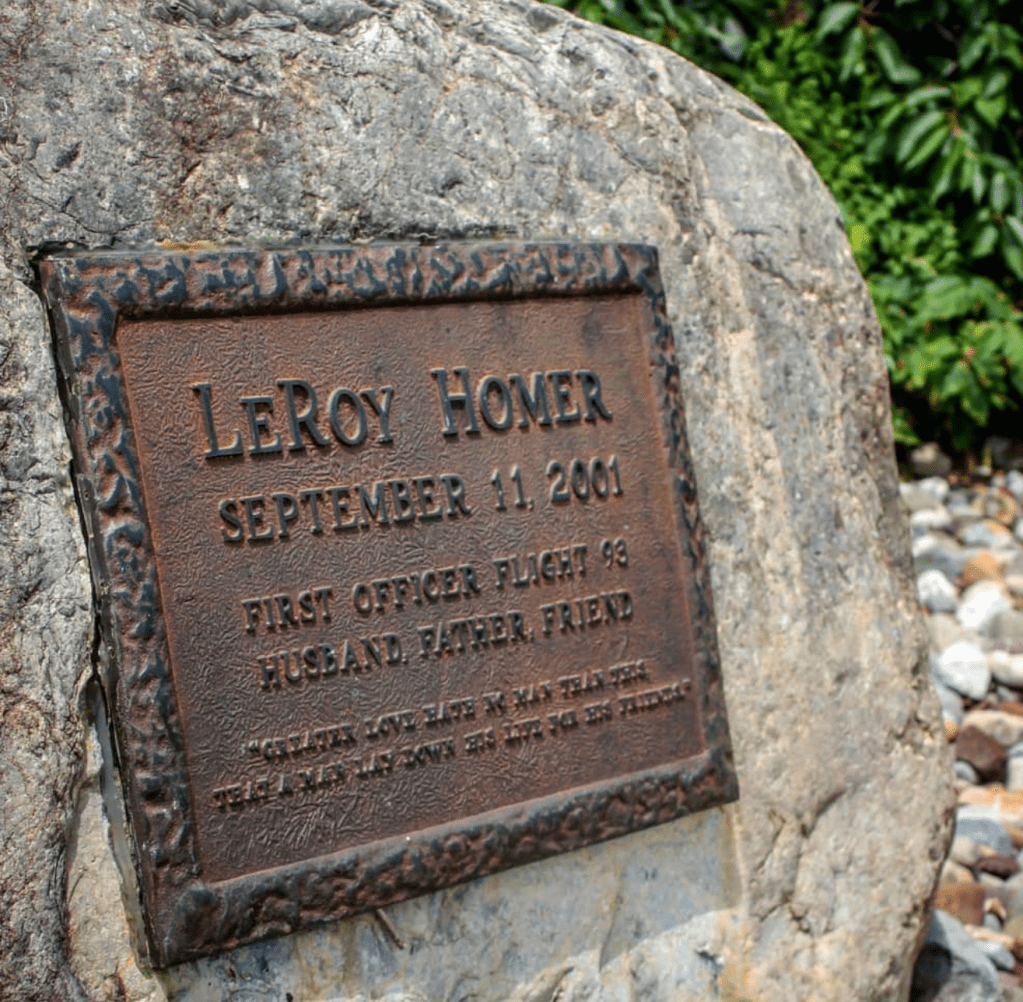
(The less we say about realizing that the consequences of war declarations would coincide with my then-boyfriend, brother and a number of my friends receiving their draft papers, the better. I don’t need to relieve something that gave me so much anxiety 20 years ago that it still makes my stomach drop now.)
Despite a deep affinity for ’60s bands, I did not listen to lot of political music at all in high school and early college. Which meant a song as angry and frustrated and disappointed as “Disgrace” being dropped in as the penultimate song on an album called Perfecting Loneliness (like, wherever Jets to Brazil lands on the emo continuum, that is inarguably one of the most perfectly thematically distilled album titles the genre ever produced) was jarring as hell. I was expecting lyrics like “What can I do / I’m in love with you, and it won’t stop” and “What’s best for everyone is bound to hurt somebody / What’s best for everyone is killing me” and “This list is what went right / Your name is written twice” were exactly what I was expecting. Lyrics like “Who put all these criminals in charge? / Did they win or just hold all the cards?” and “They put a monkey in the White House! … Now, the real monkey wants a recount” were not what I was used to.
By the time this album came out, I was just a month into college but had spent the prior year inching ever leftward after some fast-mounting ideological and moral divisions illustrated in stark contrast how I had nothing in common with my off-puttingly right-leaning parents and the unenviable way they saw the world. I had crowded into a floor-mate’s room with a bunch of newly made friends from my dorm as they and their more-proximally-New-York roots unloaded about all the intimate losses that made Sept. 11 a deeply personal wound for them. It closed out a claustrophobic year of increasing awareness about a world where large-scale tragedies happened every day, whether or not you hear about them or they impact your immediate existence. My peers and I were starting to realize that our entrance to adulthood was not entirely unlike standing on the precipice of the system’s gaping, insatiable maw. I knew the freedom of adulthood was illusory in the greater sense but having to digest how everything was designed to streamline the commoditization and disregard of human lives and having no real choice of opting out, in a word, sucked. And it sure as hell didn’t make leaving the cocoon of college any easier a couple years later.
And now it’s 20 years later and, hey, remember when just another war criminal occupying the highest office in the country was our supposed societal nadir mostly because he was prone to verbal blunders that spectacularly eclipsed Dan Quayle’s inability to spell “potato,” and how everyone seems to have forgotten about all that because he paints now and apparently could have been so, so much worse? The real lesson here is to never underestimate our capacity for historical revision.
A curiously timed visit from this song was a strange bookend to the war that has defined the geopolitical backdrop of my entire adulthood. It was strangely familiar, too, though I cannot believe the world actually seemed like a less doomed and terrifying place in the year after Sept. 11 than it does now. But I’d guess that it has something to do with how, back then, 2,977 people dying in just one day was implicitly agreed-upon to be a staggeringly tragic and substantial loss of life.
 12,700 Songs